Loading...
Serving Fort Wayne, IN and surrounding areas. (260) 279-4710
Bedrock Fort Wayne Concrete & Masonry is the masonry contractor Grabill homeowners trust for tuckpointing, brick repair, and foundation work - serving historic and rural properties throughout Allen County with free estimates and replies within one business day.
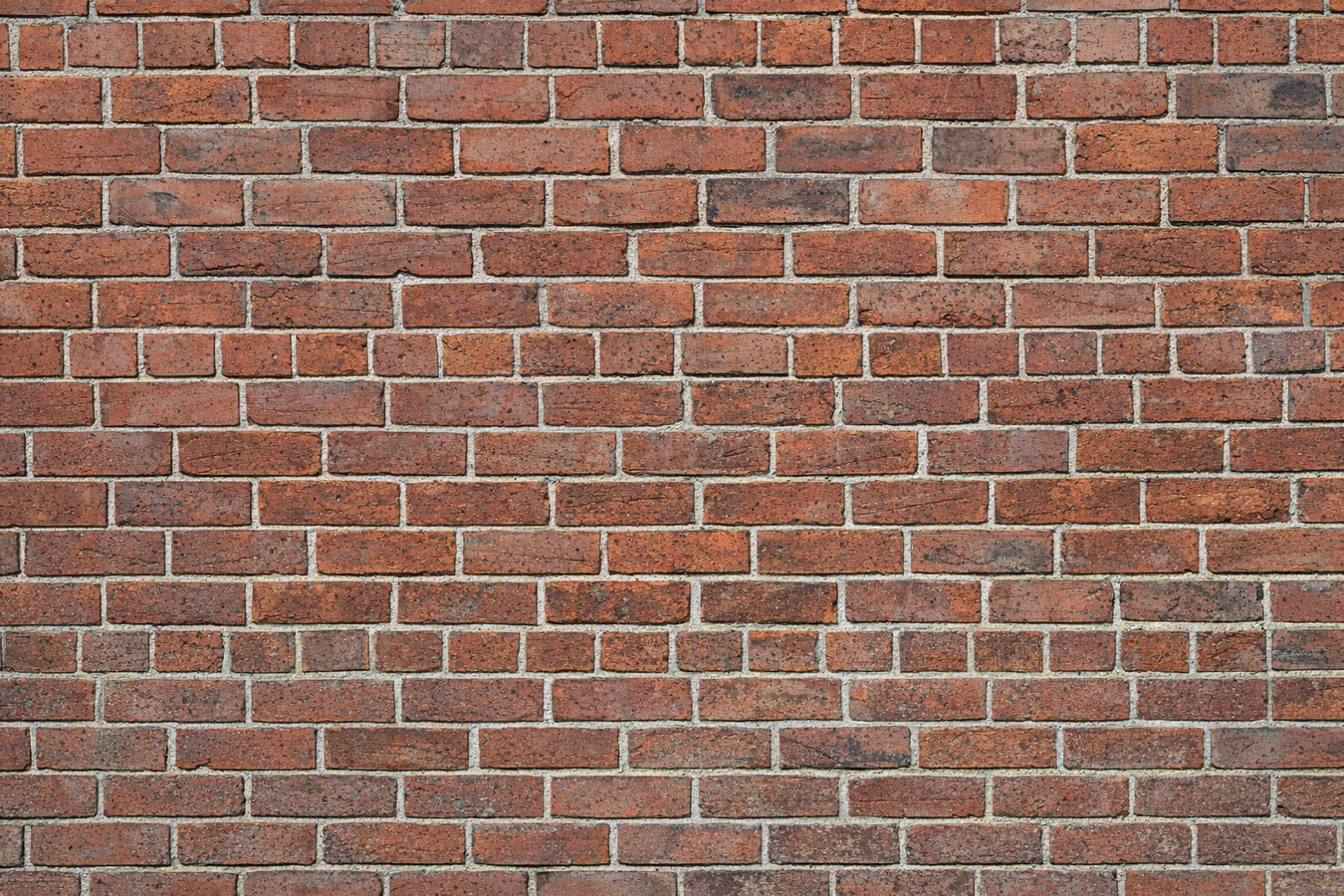
Many homes in Grabill date from the early to mid-1900s, and their original lime-based mortar joints have been working through freeze-thaw cycles for decades. Our tuckpointing service removes the failing mortar and replaces it with a mix compatible with the original brick hardness - so the repair does not damage the surrounding brickwork over time.
When individual bricks on an older Grabill home begin to spall, crack through the face, or come loose from the wall, they need to be replaced before water gains access to the wall structure. We source replacement brick that matches the original in color, texture, and hardness to keep repairs from standing out.
Grabill homes with full basements sit on clay-heavy soil that shifts seasonally. Older block or brick foundations in this area commonly develop stair-step cracks, horizontal cracking at mid-wall, and efflorescence from persistent moisture. Addressing these issues before the wall begins to bow is far less expensive than waiting for structural movement.
Grabill homes with wood-burning fireplaces often have chimneys that have not been inspected in years, and mortar joints near the crown are typically the first to fail. Water that enters through a deteriorated chimney crown migrates down into the flue and can damage the firebox and surrounding masonry over multiple winters.
Properties on the edges of Grabill that border farmland or drop toward drainage areas sometimes need a retaining wall to hold a grade after erosion from spring rain. Clay soil that drains slowly is particularly hard on informal earthen berms, which tend to slump and shift after wet winters.
Whether your driveway is aging concrete or older asphalt, the freeze-thaw cycles common to this part of Allen County will work cracks into the surface over time. Catching surface cracking and joint failure early keeps repair costs manageable and prevents the underlying base from washing out through the open cracks.
Grabill was platted in 1902 and incorporated in 1912, which means the core of town has housing stock from the 1910s through the 1960s. That era of construction used solid masonry techniques and materials that were designed to last - but after a century of freeze-thaw cycles in a northern Indiana winter, even well-built brick and mortar reaches a point where it needs professional attention. The soft lime-based mortars common in pre-1950s construction have a finite lifespan, and replacing them with a modern Portland cement mix that is too hard causes spalling damage to the original softer bricks. Matching the mortar hardness to the original masonry is the most important technical decision in any repair on these older homes.
Properties further from the town center - including homes on the rural county roads and those near the Cedar Creek corridor - often have different site conditions. Flat terrain with clay-heavy soil and slow drainage means that after a hard rain or a significant snowmelt, water pools near foundations and driveways for extended periods. That prolonged ground saturation is harder on masonry at grade level than the freeze-thaw cycle alone, and it is a factor that contractors unfamiliar with this specific soil type may not account for when they estimate the scope of a repair.
Our crew works throughout Grabill regularly, and we understand the local conditions that affect masonry work here. Grabill sits northeast of Fort Wayne in Allen County, and reaching properties in and around town means navigating a mix of county roads that also carry horse-drawn traffic from the surrounding Amish farms - a rural character that makes route planning and equipment access more deliberate than in a typical suburban setting. For projects that require permits within town limits, we work directly with the Town of Grabill building office on First Street.
The older homes along the main street area and the residential streets feeding off it are the type of properties we work on most often here - wood-frame construction from the early-to-mid 1900s with brick exteriors, full basements, and chimneys that have been weathering northern Indiana winters for generations. We also serve neighboring communities, including Leo-Cedarville to the north and west, so this corner of Allen County is a regular part of our schedule.
Call us directly or use the estimate request form on this page. We reply within one business day and can usually schedule a visit to your Grabill property within the same week.
We visit the property and examine the masonry in person. On older Grabill homes, we pay particular attention to mortar hardness and brick condition before recommending a repair approach. You receive a written estimate with line-item pricing at no cost and with no obligation.
Once you approve the estimate, we confirm the work dates with you. Most tuckpointing and brick repair jobs in Grabill take one to three days; larger foundation or chimney projects may take up to a week.
We clean up the work area fully before we leave and walk you through everything that was done. If anything does not meet your expectations, we handle it before closing out the job.
We serve Grabill and the surrounding Allen County area. Free written estimates, no-pressure process, and replies within one business day.
(260) 279-4710Grabill is a small incorporated town in Allen County, Indiana, northeast of Fort Wayne, with a population of around 1,100 people. The town was platted in 1902 around a Wabash Railroad stop and incorporated in 1912. Its compact main street area - centered on First Street - includes small shops, antique stores, and local businesses in older commercial buildings that reflect the town's early-20th-century origins. Grabill is also widely known for its connection to the surrounding Amish community, with antique shops and Amish-made goods drawing visitors from Fort Wayne and across the region. For more background on the town, the Wikipedia entry for Grabill, Indiana has a useful overview.
The housing stock in the core of town skews older - many homes were built from the 1910s through the 1960s and are wood-frame construction with brick or masonry exteriors on full basements. Properties on the edges of town and on the surrounding rural county roads tend to sit on larger lots, some bordering active farmland. Cedar Creek runs through the broader area and gives its name to the local township. We also work in the nearby communities of New Haven to the southwest and Fort Wayne to the west, so Grabill fits naturally into the heart of our service area.
Restore your foundation's stability and protect your home from further damage.
Learn MoreBuild retaining walls that control erosion and define outdoor spaces.
Learn MoreInstall strong foundation block walls engineered for lasting support.
Learn MoreCreate a custom outdoor kitchen built from quality masonry materials.
Learn MoreCall today or request a free estimate - we reply within one business day and can schedule a site visit this week.